Community Engagement
Community-engaged work treats the people and organizations outside the university as partners and co-educators rather than audiences. It begins with a community's own priorities, builds reciprocal relationships over time, and produces something useful to everyone involved. For me, that means designing courses and projects that lower the barriers between institutions and communities, where students, artists, and longtime cultural organizations work side by side: studying history together, making work together, and sharing what they create with the wider public. This approach reflects a belief that music is most alive when it is accountable to a community, and that the most meaningful learning happens when research and practice are put in direct service of real people and real needs.
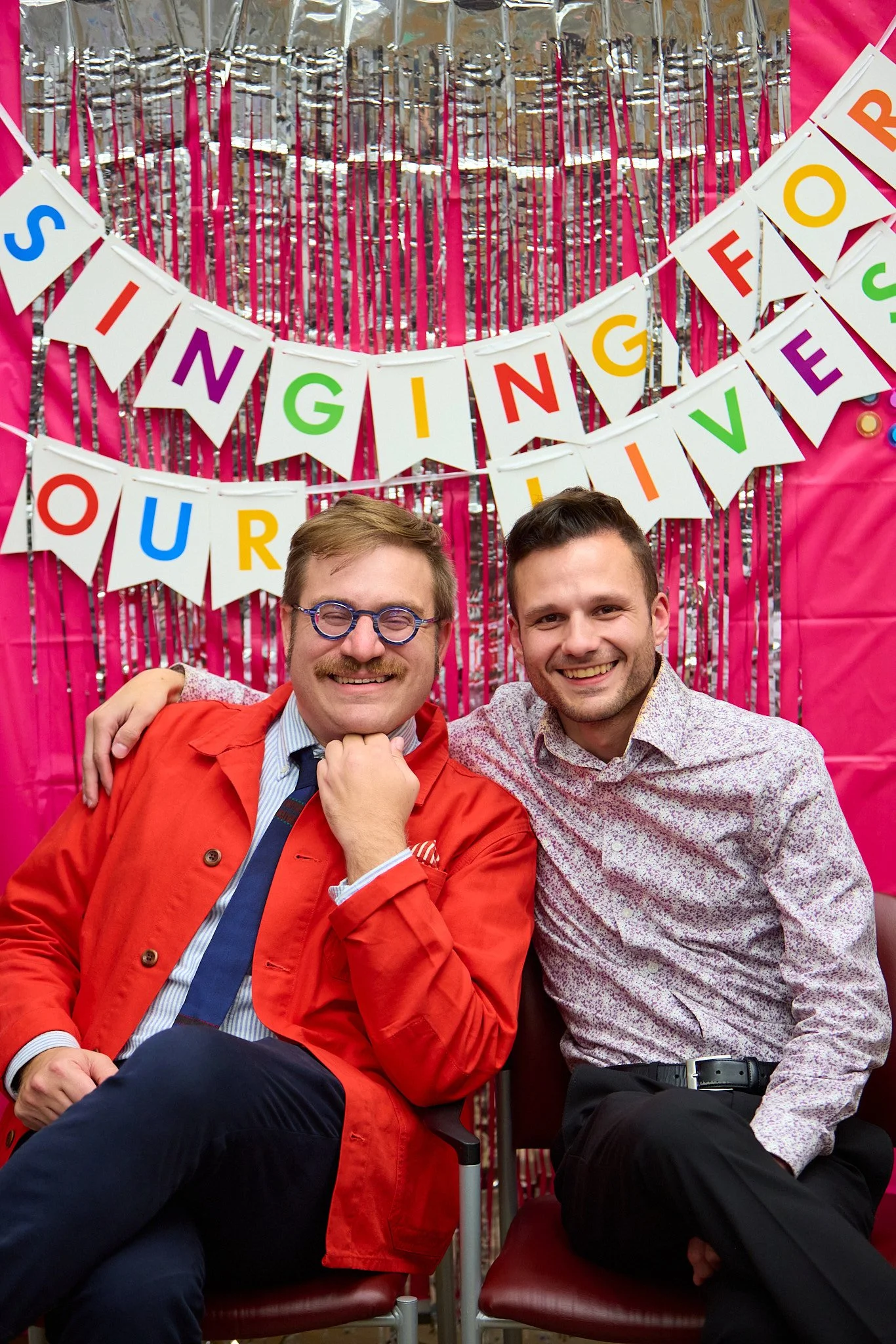
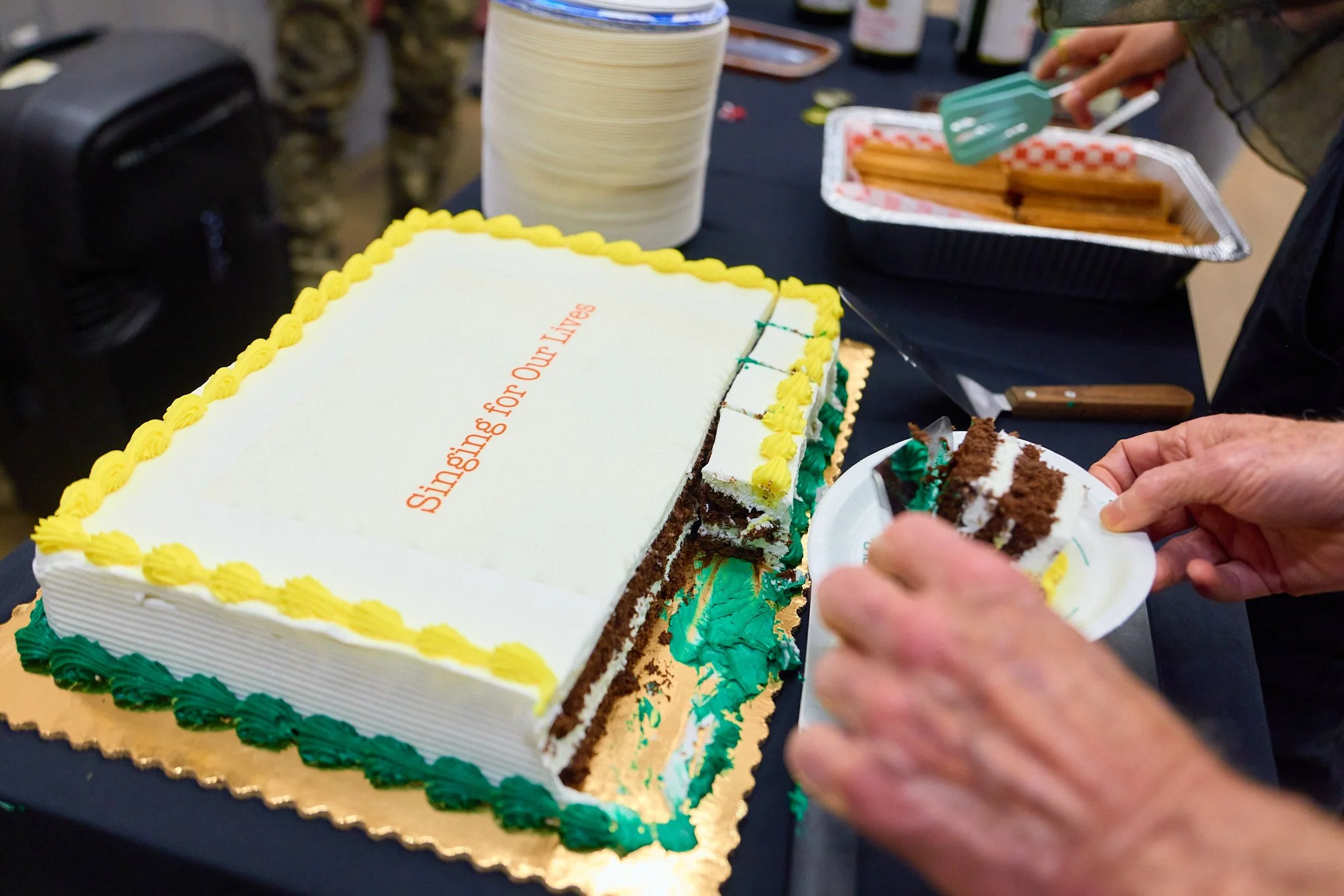
Singing for Our Lives
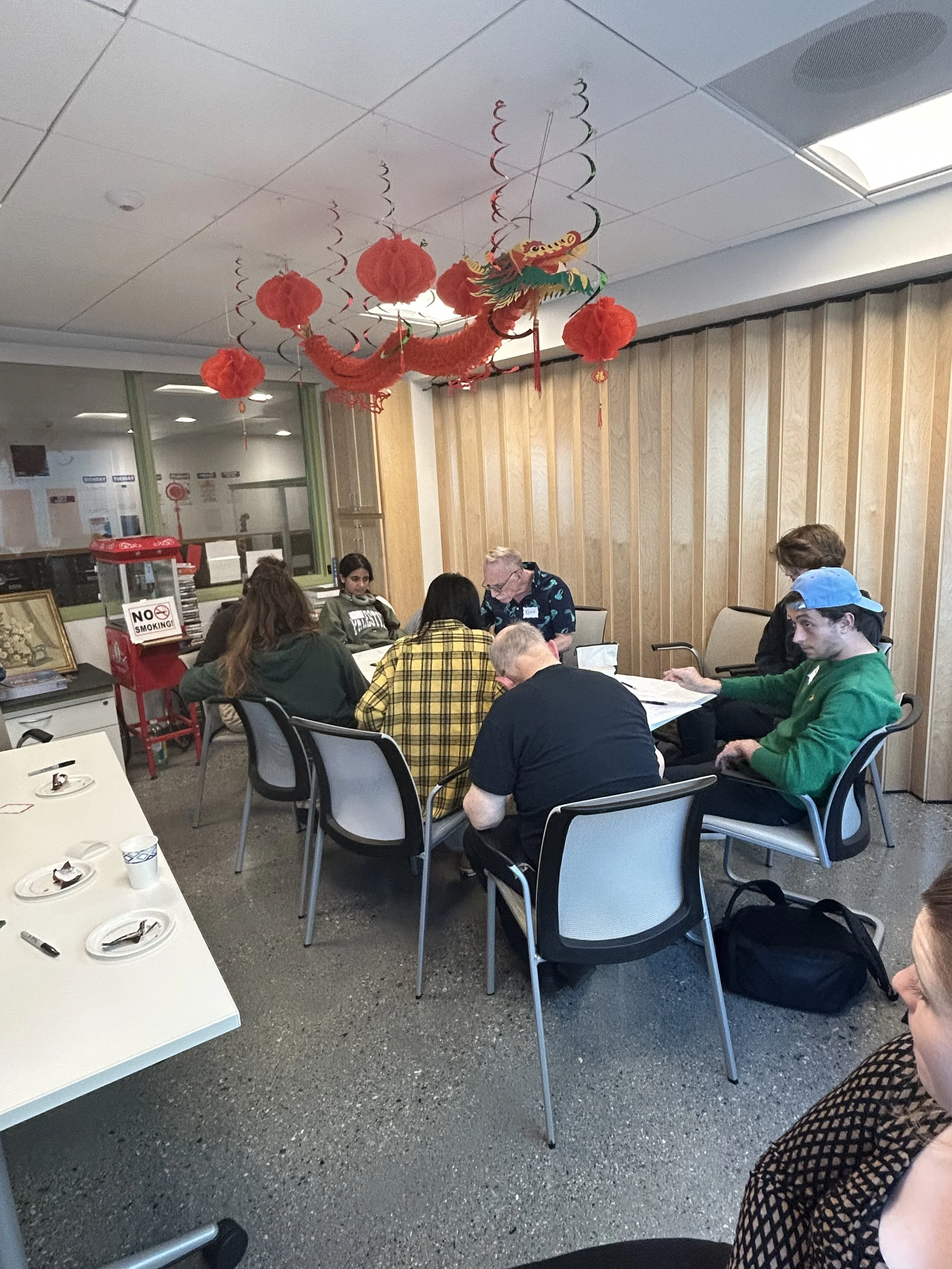
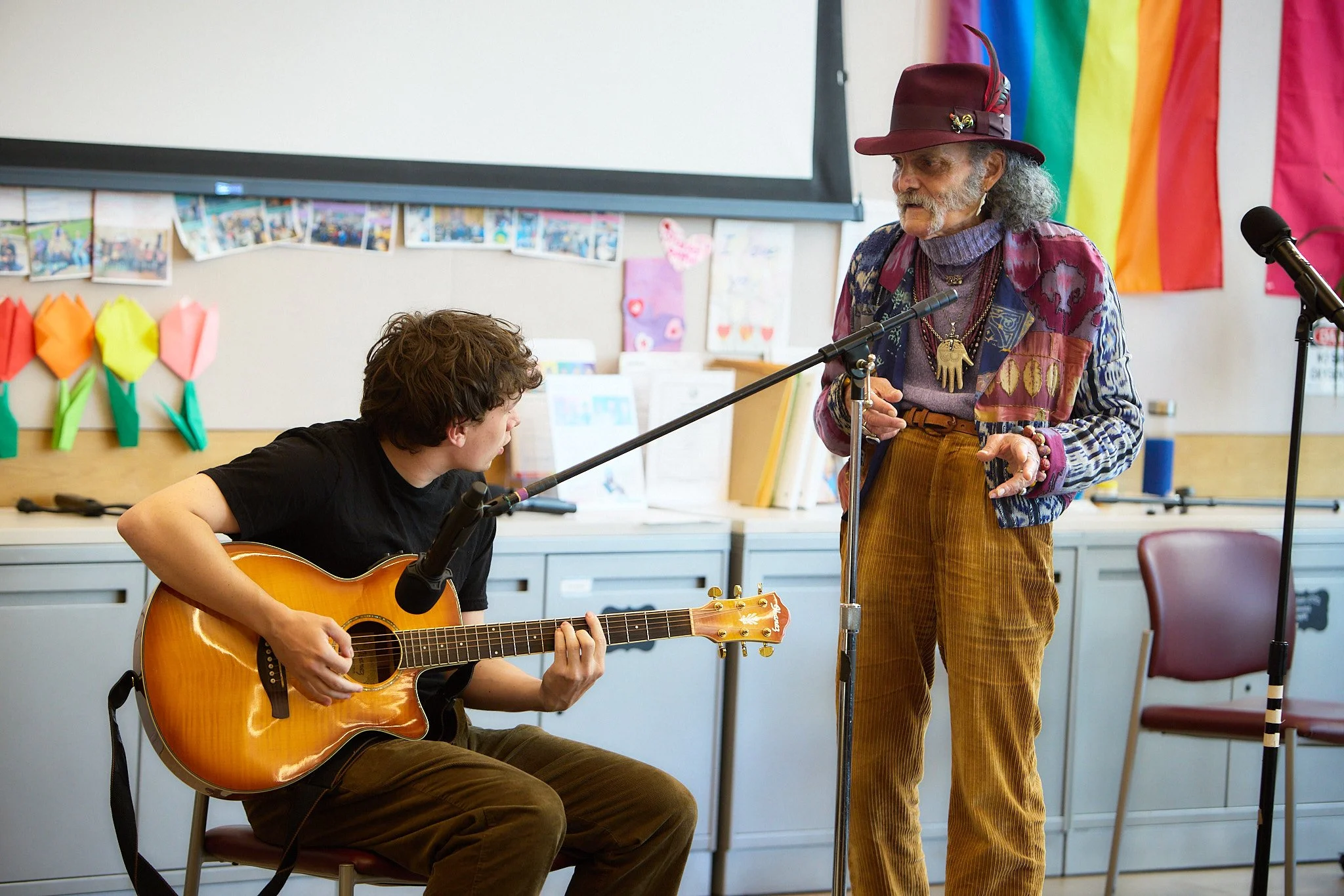
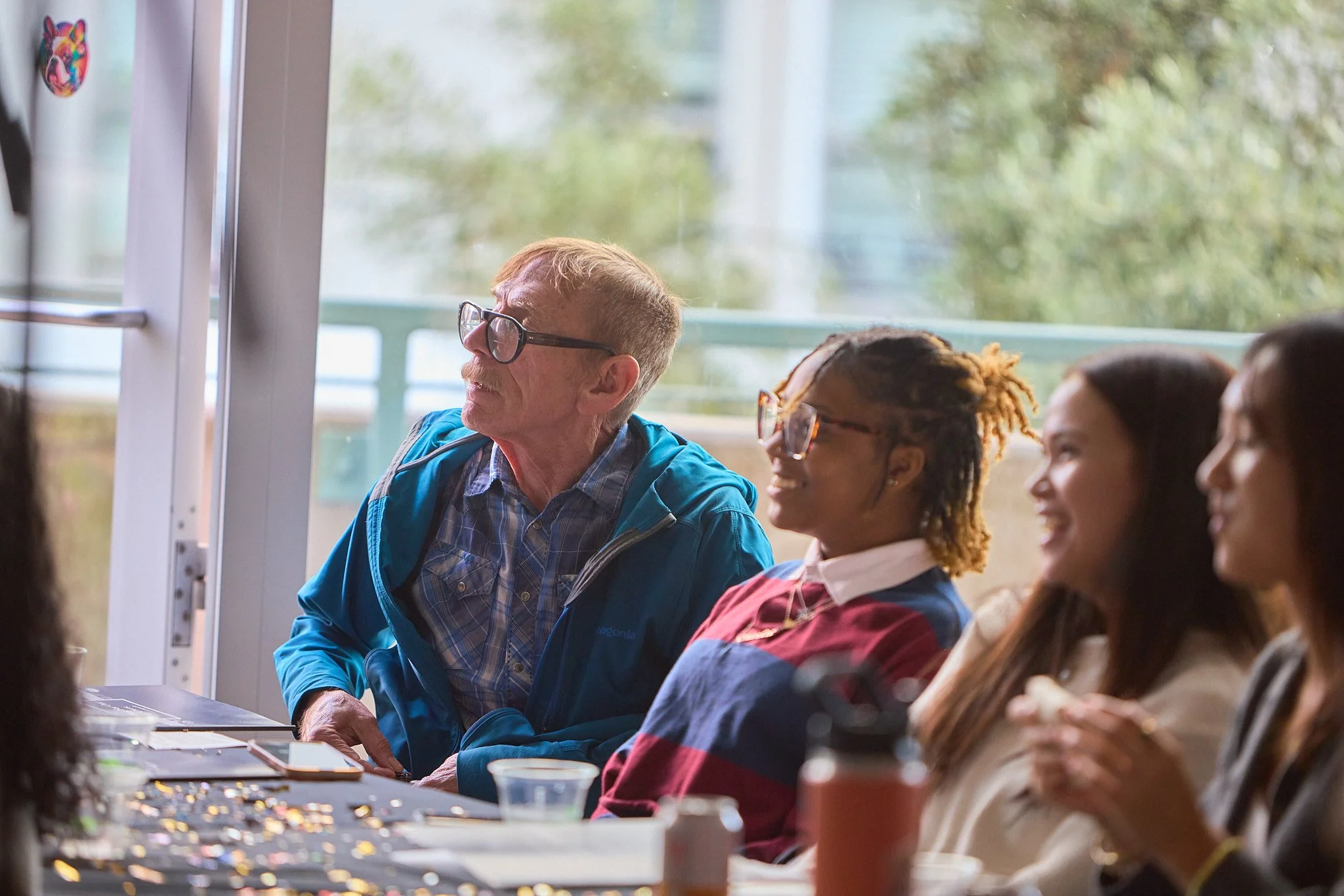
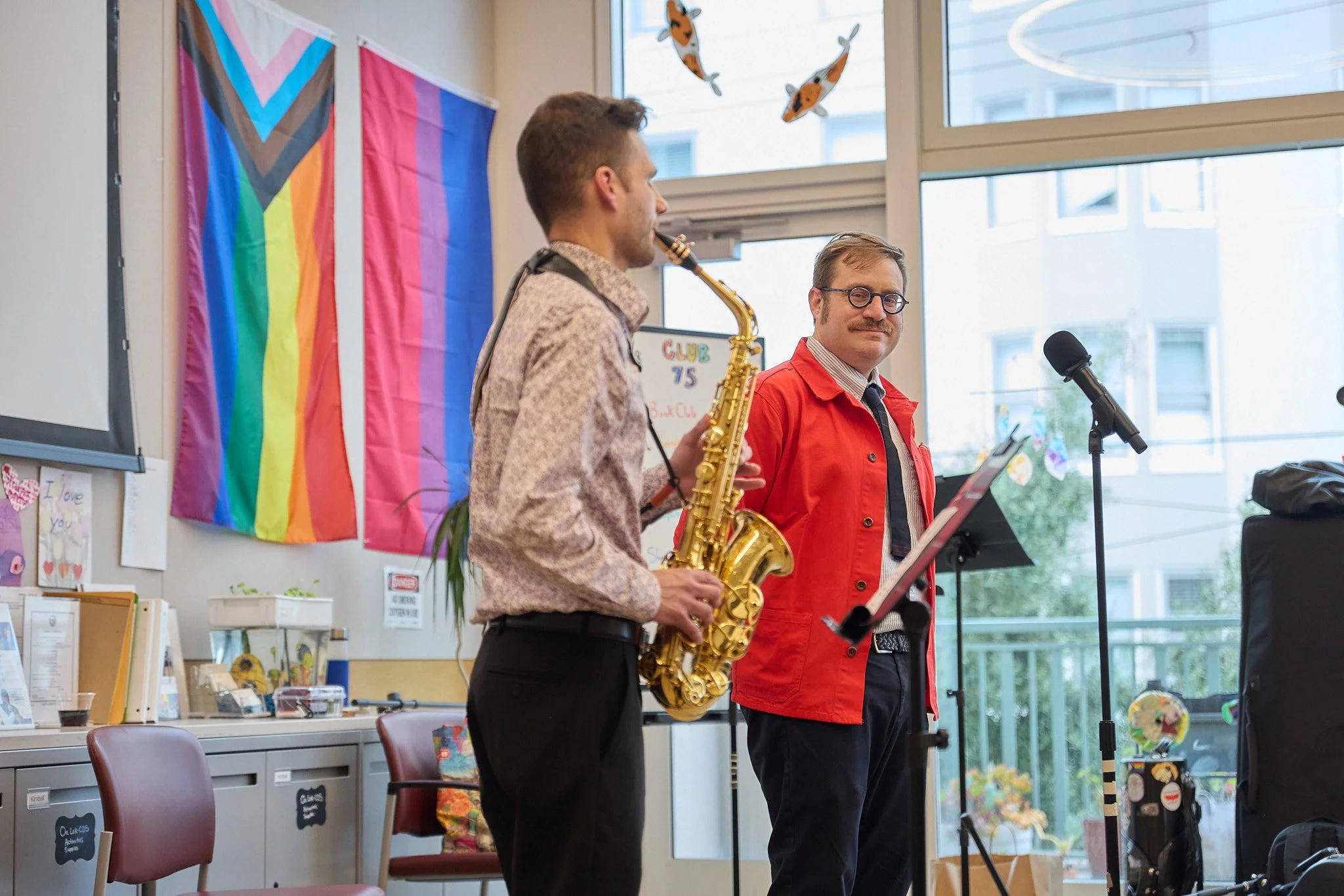
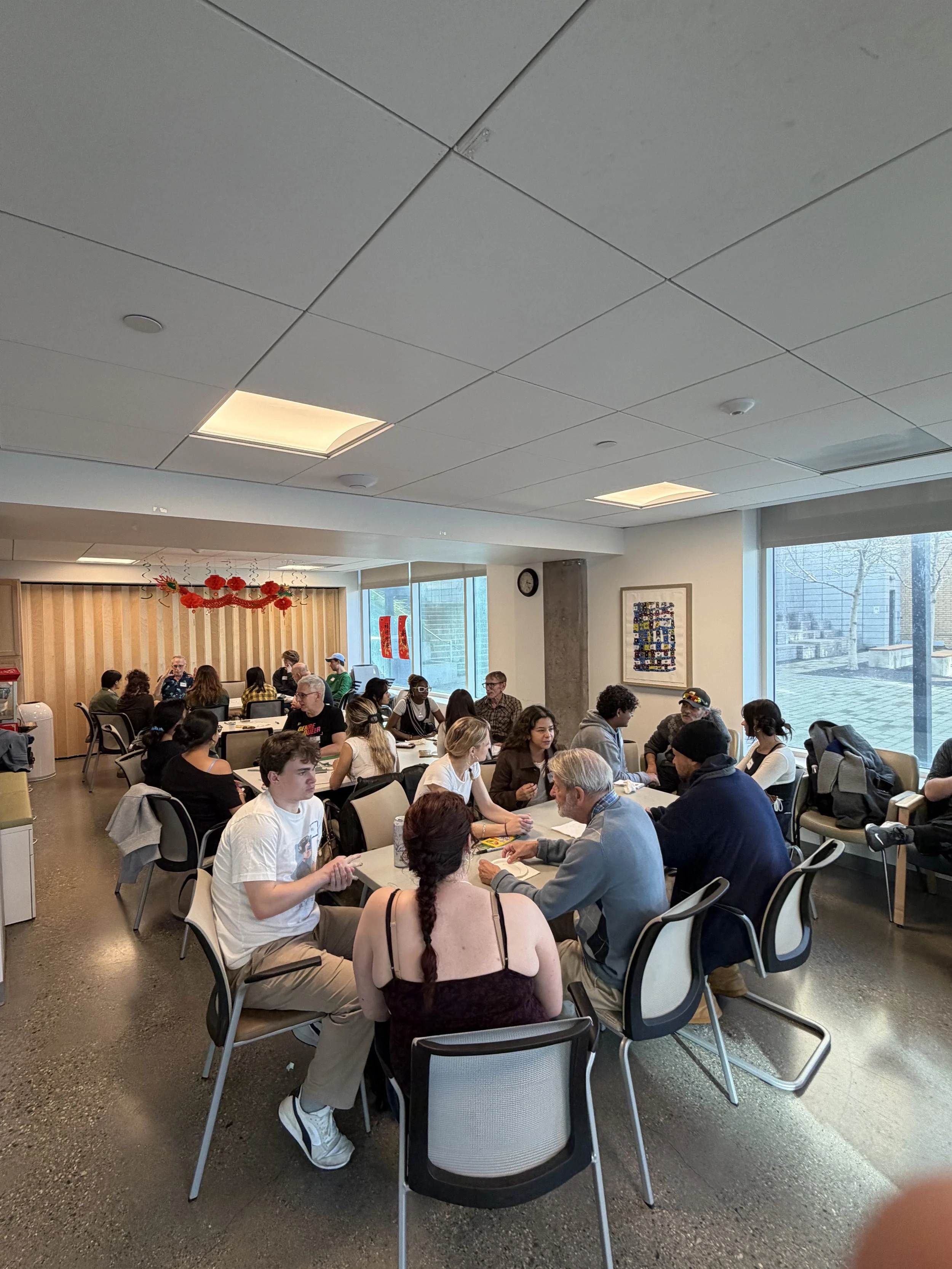
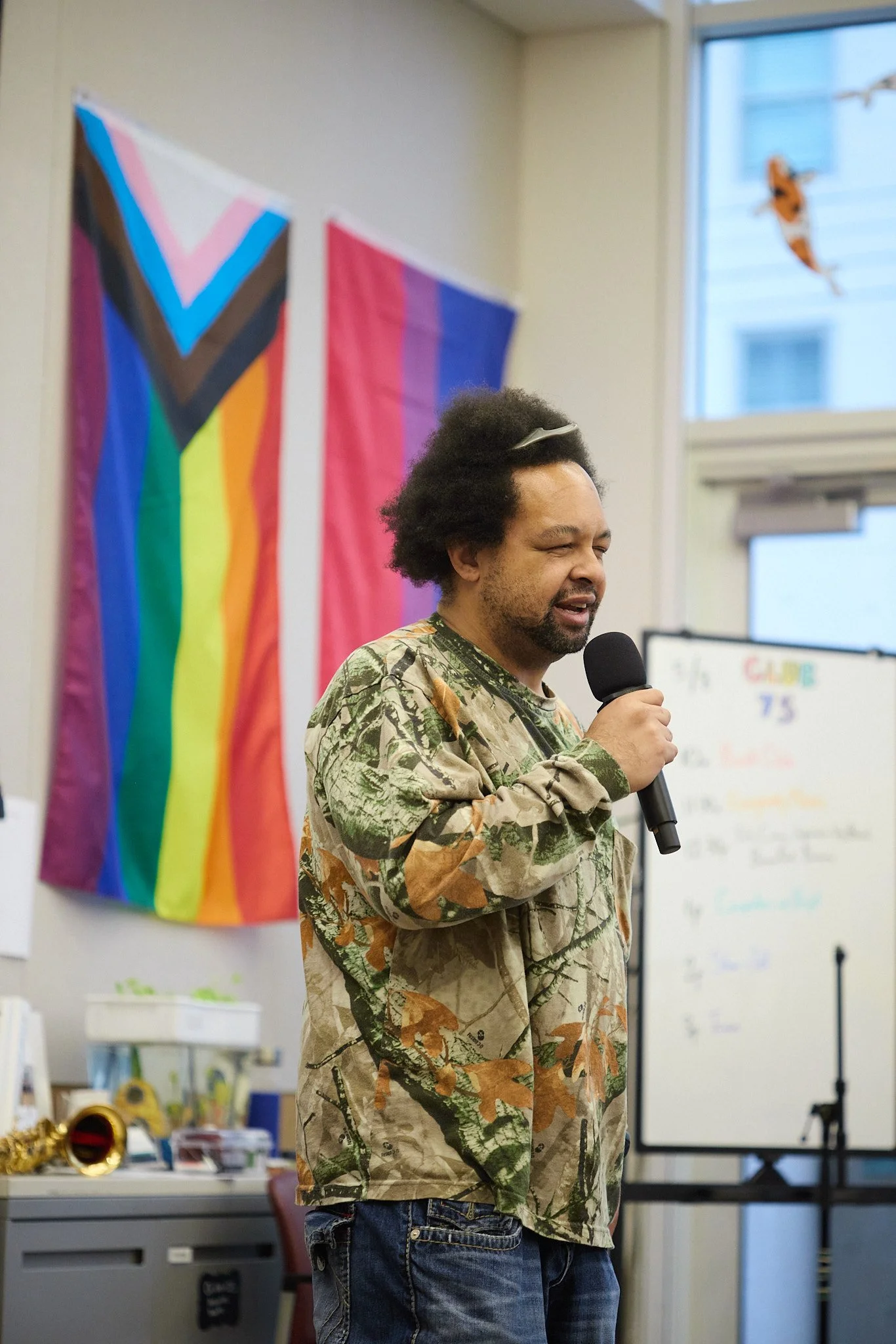
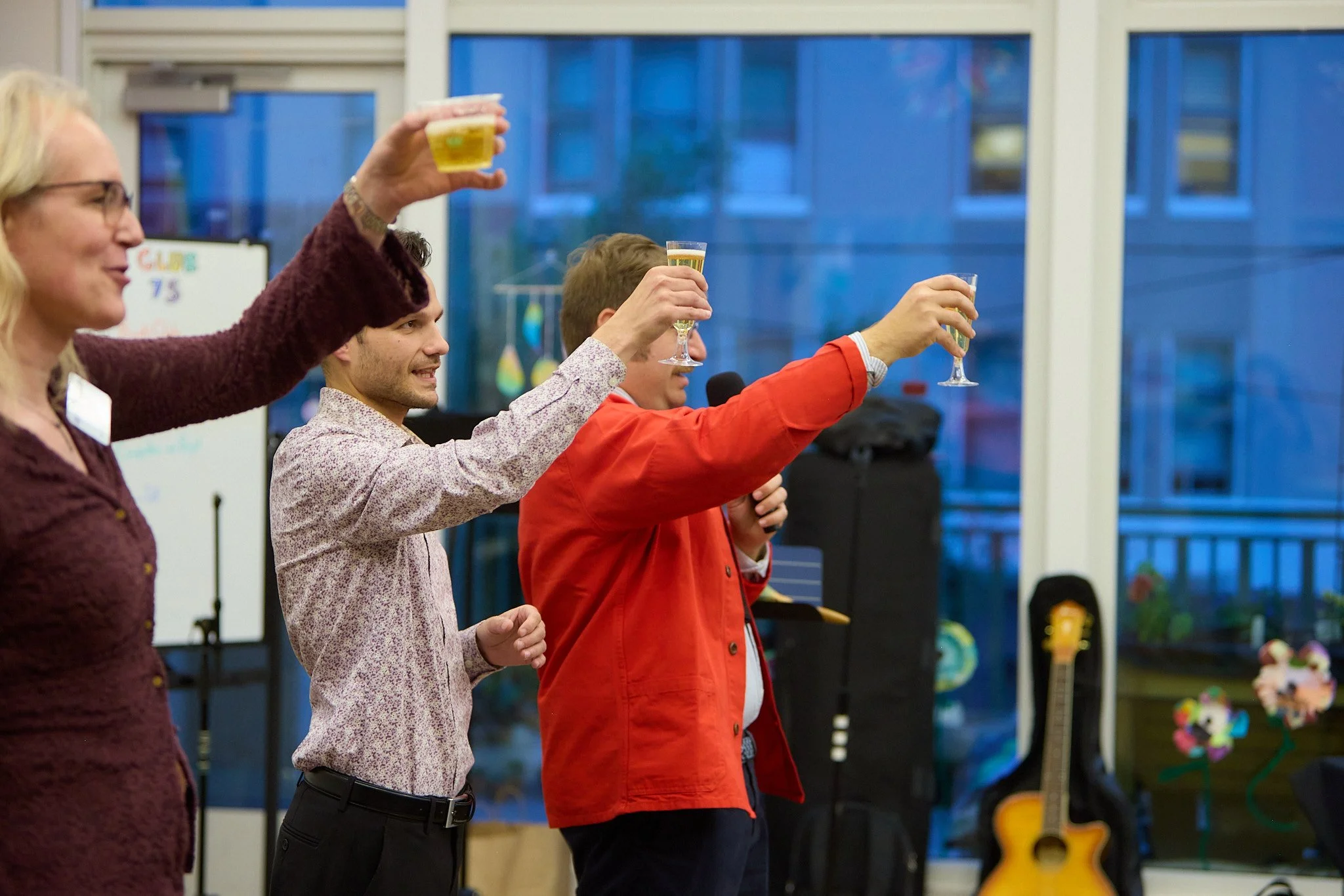
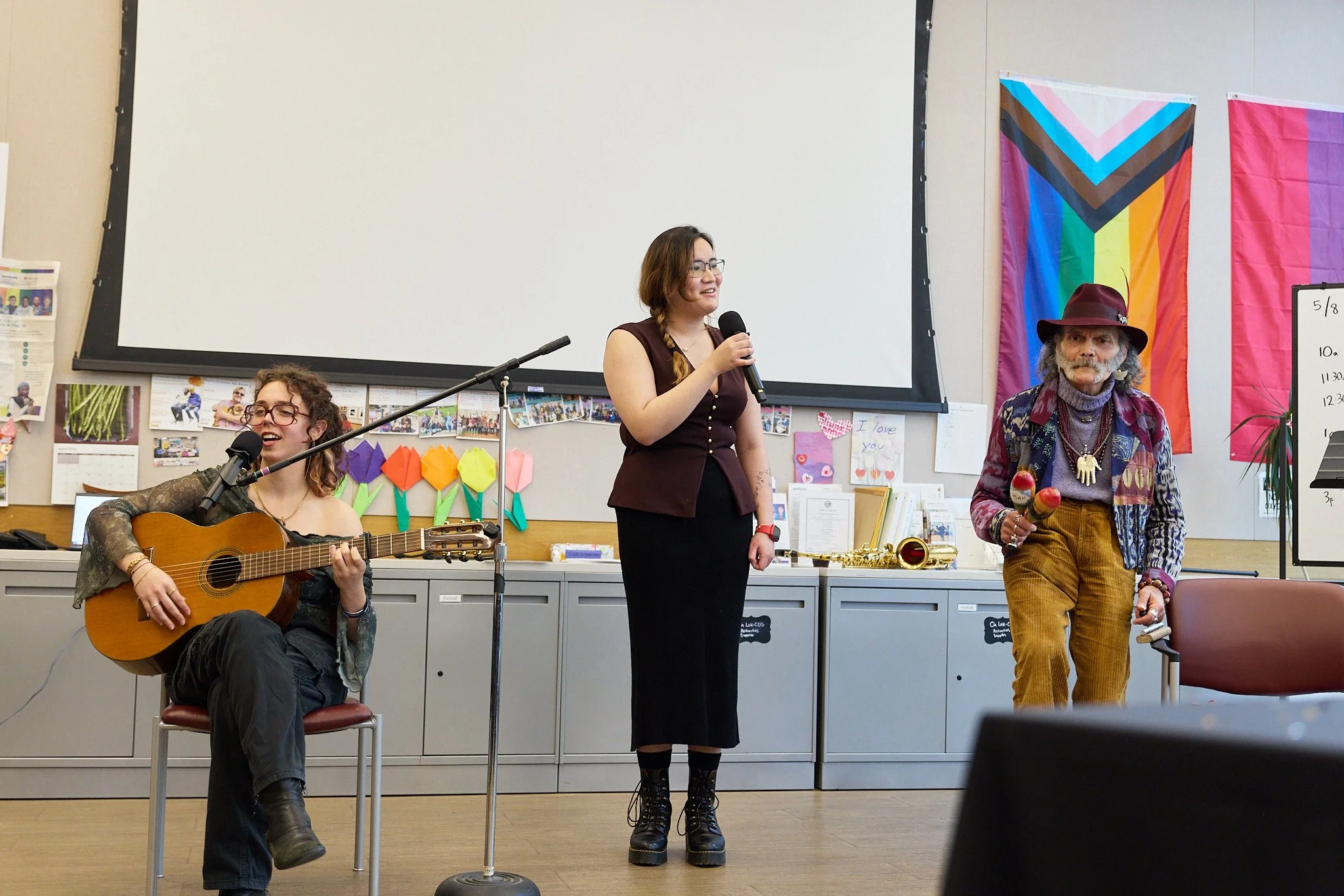
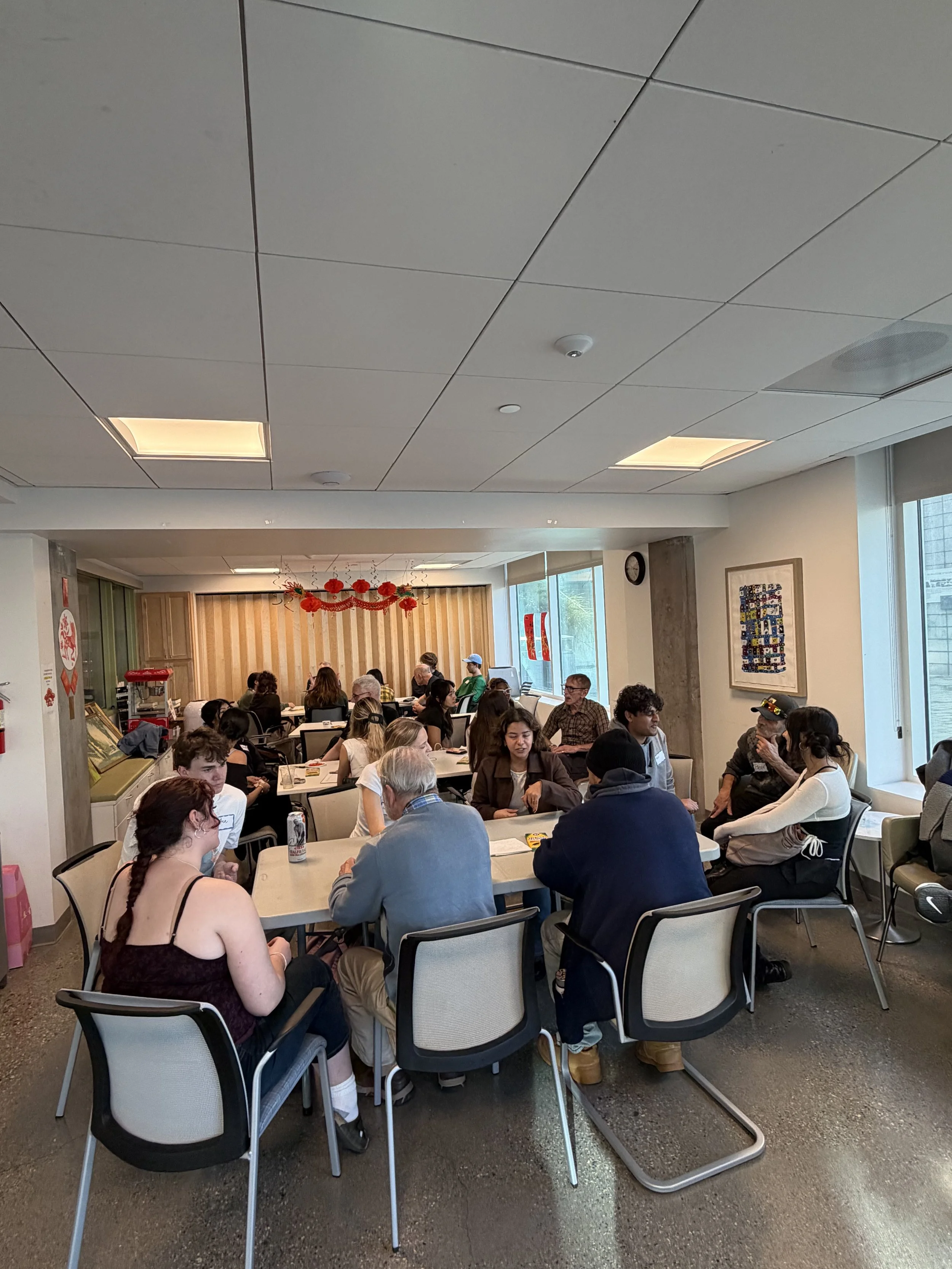
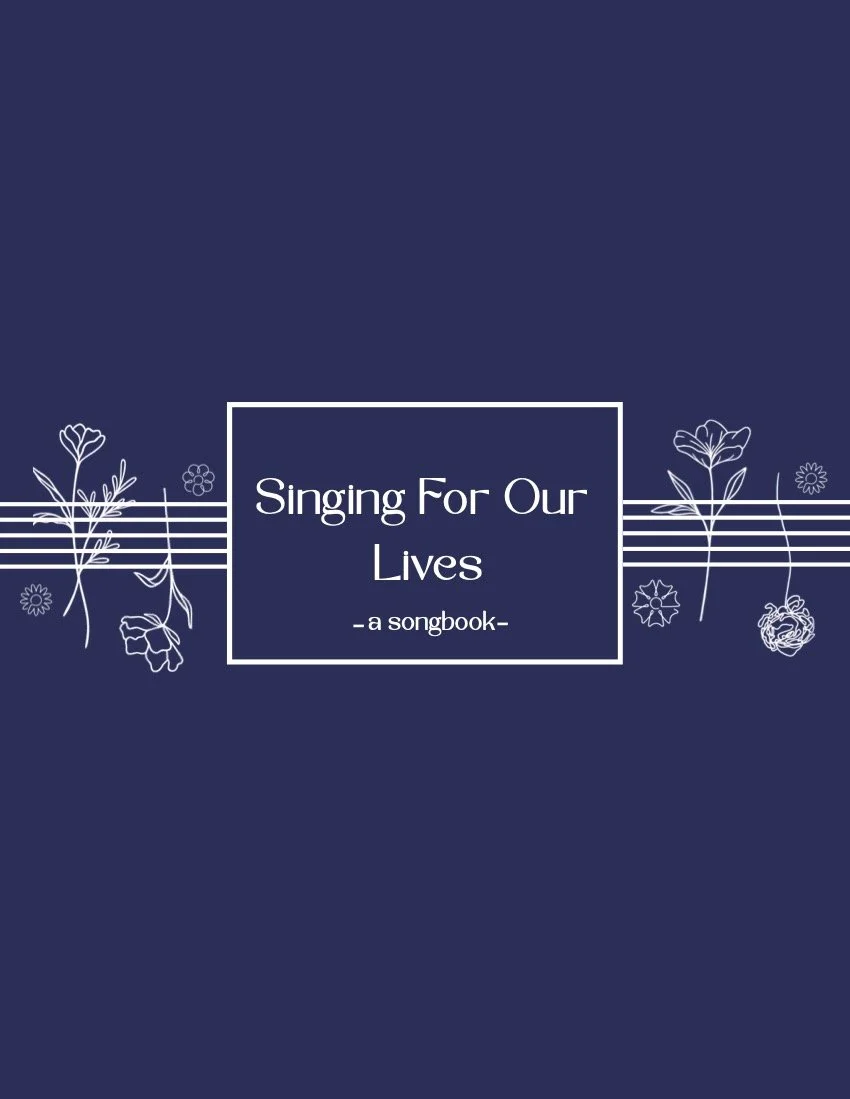
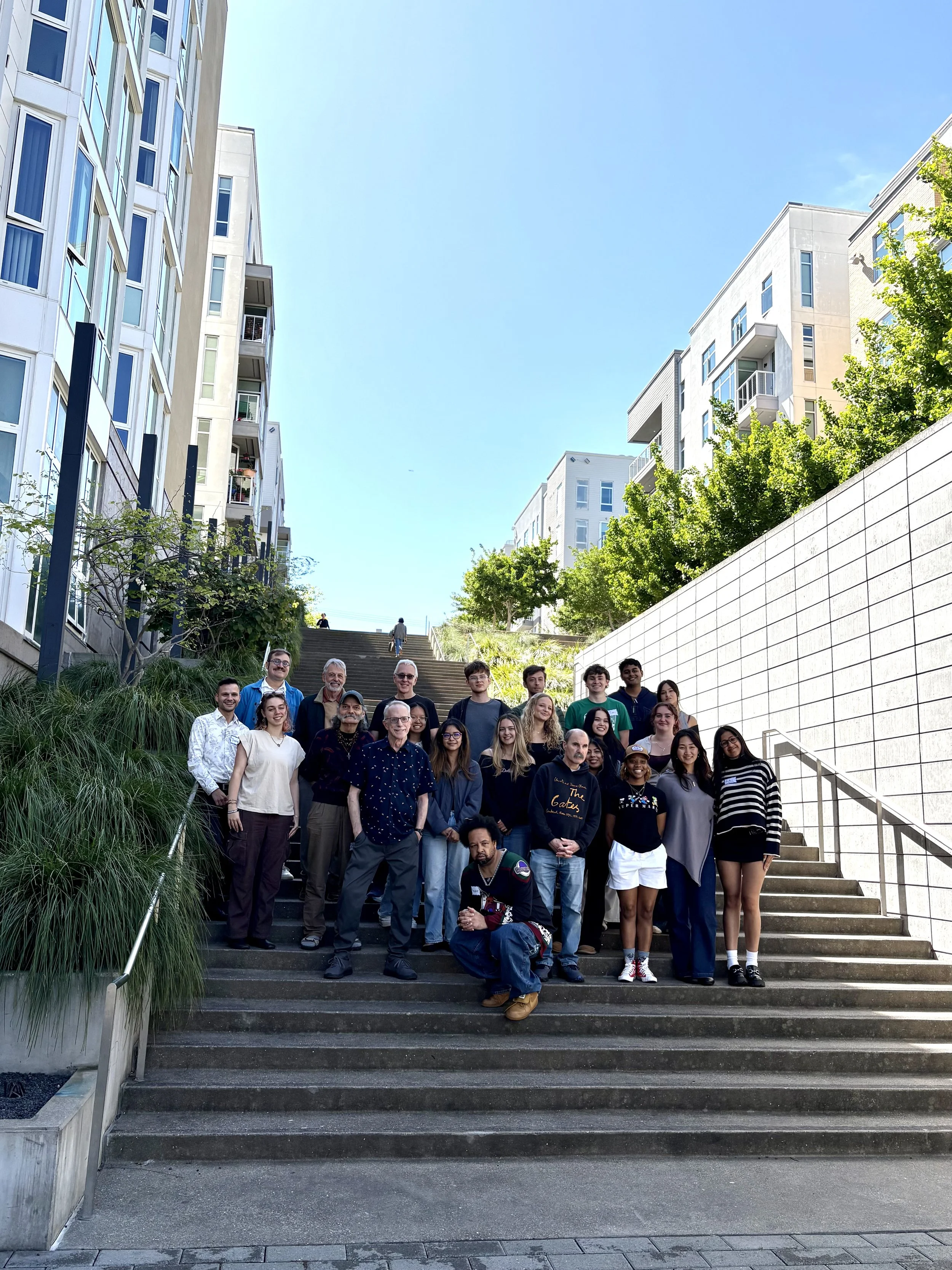
Co-taught with T.S. Leonard in partnership with Openhouse SF, Singing for Our Lives brings University of San Francisco students into sustained collaboration with LGBTQ+ elders to study how music confronted social movements in the Bay Area, most notably during the height of the HIV/AIDS epidemic. Across the semester, students and community members learn from one another, drawing connections between that history and the questions facing queer communities today. Alongside the historical and musical material, students gain hands-on experience in the practical work of organizing a public event: developing a project plan, coordinating logistics with community partners, and producing a culminating showcase in collaboration with Openhouse members. The collaboration also yields a physical songbook compiling the work the class and community produce together. The result is both an education in queer cultural history and a working introduction to community-engaged arts production. See below for photos from our Showcase!